
Mastering Relationship Marketing: AI in Relationship Marketing: The Intelligent Path to Deeper Connections
As we close out 2025, relationship marketing has evolved from a human-centric art into a hybrid masterpiece, amplified by artificial intelligence. No longer just about loyalty programs or personalized emails, it’s now a data-fueled ecosystem where AI anticipates needs, crafts narratives, and nurtures bonds at scale. In a year where 81% of organizations adopted AI-powered CRM systems, the focus has sharpened on hyper-personalization and predictive engagement—driving up to 25% sales increases and 30% reductions in churn. For brands like yours, AI isn’t a tool; it’s the empathetic co-pilot turning one-off interactions into lifelong partnerships.
Building on the foundations of storytelling, psychology, data insights, and consistency, AI supercharges these pillars. It generates emotionally resonant stories, decodes psychological cues via sentiment analysis, uncovers hidden data patterns, and ensures seamless, consistent touchpoints. This guide explores AI’s transformative techniques in relationship marketing, with real-world examples and 2025 trends to help you integrate them strategically.
1. Hyper-Personalization: AI as the Ultimate Empath

Personalization was once manual guesswork; now, AI makes it intuitive and instantaneous, leveraging natural language processing (NLP) and machine learning to tailor experiences that feel bespoke. In 2025, 75% of consumers are more likely to buy from brands offering personalized content, with leaders in this space exceeding revenue goals 48% more often.
- Technique in Action: AI analyzes behavioral data—past purchases, browsing history, even sentiment from interactions—to deliver real-time recommendations. Amazon’s AI engine, for instance, powers “customers also bought” suggestions, boosting sales by 35% through subtle relationship nurturing. For experiential brands, imagine AI curating event invites based on a customer’s “adventure seeker” profile, complete with a personalized story teaser.
- Tying to Pillars: Enhances storytelling by generating dynamic narratives (e.g., “Your journey continues with this exclusive quest”). Psychologically, it taps reciprocity—offering value first builds trust. Data insights from CRM integrations reveal preferences, while automation ensures consistent delivery across channels.
- 2025 Trend: Predictive personalization adapts to global events or life changes, like suggesting family-oriented content post-holiday. Tools like Salesforce Einstein or HubSpot’s AI features make this accessible, with ON24’s platform enabling dynamic CTAs that lift engagement by 20%.
Result? Customers feel understood, not targeted—fostering loyalty that outlasts trends.
2. Predictive Analytics: Foreseeing Needs Before They're Spoken
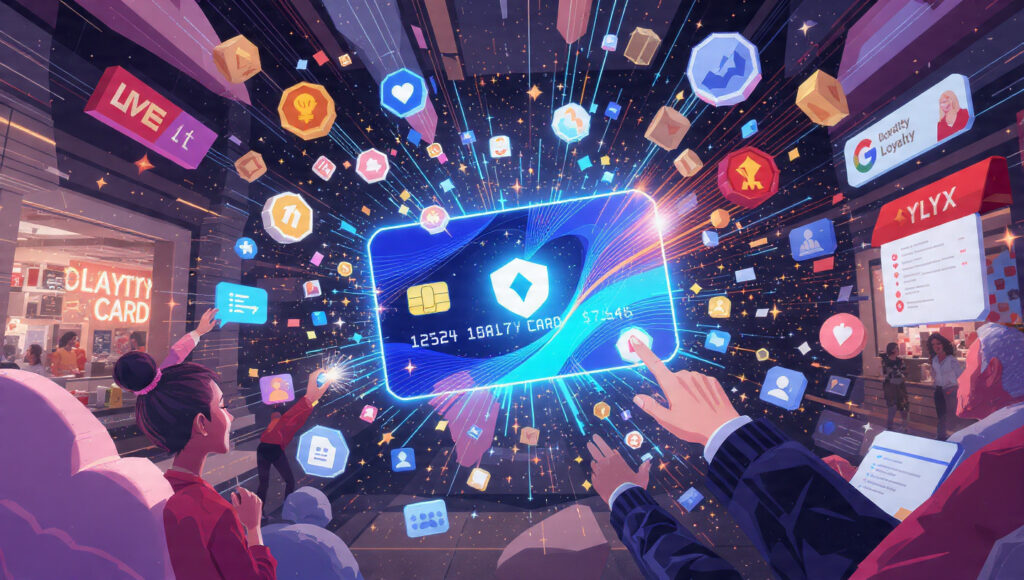
AI’s crystal ball lies in predictive analytics, sifting vast datasets to forecast behaviors, churn risks, and opportunities. By 2025, this has become table stakes, with AI integration in CRM expected to surge 97% by 2030.
- Technique in Action: Machine learning models score leads and flag at-risk customers. A sales team using AI call analysis, as one founder shared on X, saw a 30% boost in closed deals by grading objection handling and offering real-time coaching. In relationship marketing, this translates to proactive outreach: “We noticed your recent purchase—here’s a curated upgrade path.”
- Tying to Pillars: Data insights shine here, turning raw metrics into actionable foresight. Psychologically, it addresses FOMO or loss aversion by intervening early. Storytelling weaves in predictive elements, like “Based on your love for eco-adventures, here’s the next chapter.” Consistency comes from automated triggers that maintain rhythm without human oversight.
- 2025 Trend: Behavioral forecasting integrates with big data for 20% higher conversions, per Microsoft Dynamics examples where AI chatbots preempt complaints, slashing them by 30%. Deloitte predicts GenAI will automate 40% of personalization workflows, freeing teams for deeper bonds.
This foresight shifts marketing from reactive to relational, preventing churn before it starts.
3. AI-Driven Engagement: Chatbots, Agents, and Sentiment Wizards
Engagement thrives when it’s effortless and empathetic. AI agents and virtual assistants handle the heavy lifting, from 24/7 support to sentiment-driven responses, making interactions feel human—only smarter.
- Technique in Action: Generative AI drafts empathetic emails or summarizes interactions, while sentiment analysis deciphers emotions from text/voice. ON24’s AI turns event transcripts into personalized video clips, boosting B2B research engagement where 88% of buyers use video. In CRM, tools like those from SuperAGI create autonomous agents that escalate complex queries, ensuring no lead slips through.
- Tying to Pillars: Psychology is amplified—sentiment tools detect frustration for timely interventions, invoking empathy. Storytelling via AI-generated content keeps narratives fresh and relevant. Data insights fuel omnichannel consistency, with unified profiles preventing disjointed experiences.
- 2025 Trend: By year-end, 25% of enterprises will deploy AI agents for workflows, per Gartner via ON24, enhancing cross-departmental collaboration for holistic customer views. X discussions highlight AI segmentation dynamically updating profiles, soaring conversions in automated marketing.
These tools scale empathy, turning feedback loops into continuous dialogues.
4. Community and Loyalty Amplification: AI as the Social Glue

AI excels at scaling communities, using clustering algorithms for segmentation and gamification for retention. In 2025, it’s the backbone of loyalty programs that evolve with user data.
- Technique in Action: AI enriches prospect lists with real-time validation, as seen in tools like WhiteBridge’s Contact Finder, closing more deals through accurate outreach. For communities, AI moderates discussions and suggests connections, fostering belonging—like LinkedIn’s AI matchmaker for professional networks.
- Tying to Pillars: Builds on psychology’s social proof by highlighting peer stories. Data-driven insights segment superfans for exclusive content, ensuring consistent value delivery. Storytelling? AI curates user-generated tales into brand-wide epics.
- 2025 Trend: HubSpot reports AI accelerating campaign performance, with tools like those in Suryansh Tiwari’s 60-tool stack (e.g., Clay for agents, Taplio for social) replacing manual workflows. Expect emotional AI to predict loyalty dips, intervening with tailored perks.
Strategy vs. Plan: Infusing AI into Your Relational Framework
AI’s power demands responsibility: Prioritize consent, bias audits, and transparency to maintain trust. In 2025, Deloitte notes early GenAI adopters gaining a $10B revenue edge through ethical personalization. Looking to 2026, expect AI-human hybrids dominating, with emotional intelligence tools making relationships more intuitive.
AI in relationship marketing isn’t about replacing connections—it’s about enriching them. By weaving it into storytelling for resonance, psychology for insight, data for precision, and consistency for trust, you’ll create bonds that endure. Audit your CRM today: Where can AI amplify your next touchpoint? The future of loyalty is intelligent—and it’s here.