
Marketing is Not Advertising: Building a Strong Foundation for Lasting Success
In a world bombarded by ads—billboards screaming for attention, social media feeds cluttered with sponsored posts, and emails promising the world—it’s easy to confuse marketing with advertising. But here’s the truth: marketing is not advertising. Advertising is just one loud megaphone in a symphony of strategies designed to connect, understand, and grow with your audience. Marketing is the art and science of creating value, fostering relationships, and driving sustainable growth. It’s about solving problems before they’re even voiced.
If you’re a business owner, entrepreneur, or aspiring marketer, this article is your guide to laying a rock-solid foundation. We’ll dive into the pillars that separate fleeting ad campaigns from enduring brands: storytelling, psychology, data insights, and consistency. Plus, we’ll clarify the often-muddled difference between a marketing strategy and a marketing plan. By the end, you’ll see marketing as the strategic heartbeat of your business, not just a line item in your budget.
The Heart of Connection: The Importance of Storytelling

Imagine scrolling through your feed. An ad pops up: “Buy our shoes—50% off!” Yawn. Now picture this: A story of a runner who, after a devastating injury, laced up a pair of shoes that felt like an extension of her soul, pushing her to cross that finish line against all odds. Which one sticks? Stories don’t just sell; they resonate.
Storytelling is the emotional glue in marketing. Humans are wired for narratives—our brains light up when we hear a compelling tale, releasing oxytocin that builds trust and empathy. In marketing, stories transform your brand from a faceless entity into a relatable character. Think of Apple’s “Think Different” campaign, which didn’t hawk gadgets but celebrated rebels like Einstein and Gandhi, inviting customers to join the story.
To build your foundation:
- Know your “why”: Start with Simon Sinek’s Golden Circle. What problem do you solve? Craft stories around customer journeys, not product specs.
- Humanize your brand: Share behind-the-scenes glimpses, customer testimonials as mini-epics, or founder origin tales. Tools like video content on TikTok or Instagram Reels amplify this organically.
- Measure the magic: Track engagement metrics like shares and time-on-page to refine your narratives.
Without storytelling, marketing feels transactional. With it, you create loyal advocates who evangelize your brand for free.
Unlocking Minds: The Role of Psychology in Marketing
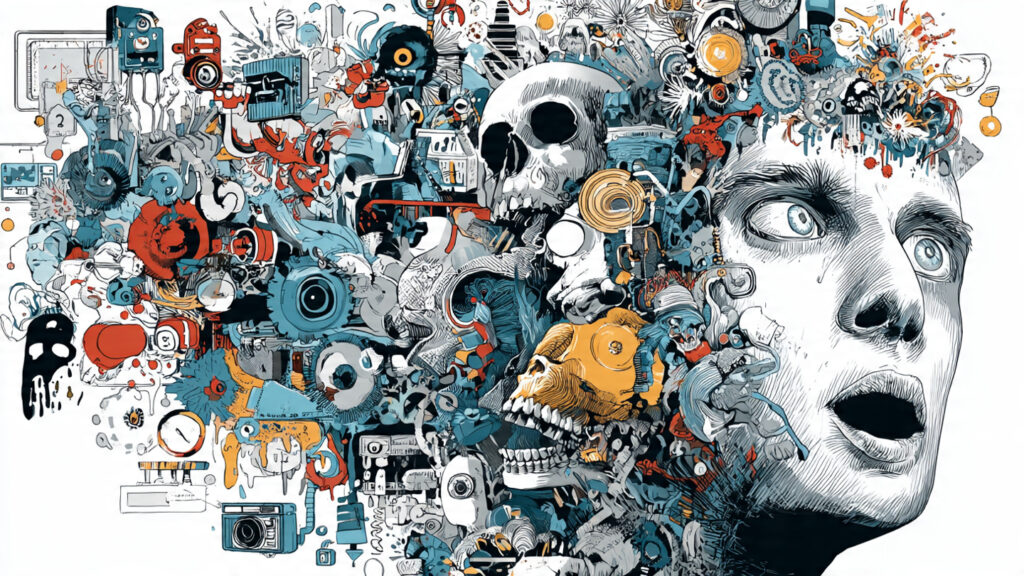
Marketing isn’t mind-reading—it’s mind-understanding. Psychology peels back the layers of why people buy (or don’t). It’s the difference between a generic email blast and a personalized nudge that feels eerily intuitive.
At its core, consumer psychology taps into cognitive biases and emotional triggers. Take the scarcity principle: “Only 3 spots left!” creates urgency because we fear missing out (FOMO). Or social proof—seeing others rave about your product lowers barriers to purchase. Brands like Amazon master this with “Customers who bought this also bought…” recommendations, leveraging the bandwagon effect.
Key psychological levers for your foundation:
- Emotional appeals: Fear, joy, belonging—map these to your audience’s pain points. Dove’s “Real Beauty” campaign didn’t sell soap; it challenged beauty standards, tapping into self-esteem.
- Behavioral nudges: Use reciprocity (offer free value first) or anchoring (set a high initial price to make discounts seem bigger).
- Ethical application: Avoid manipulation; build trust by aligning with positive psych principles like Maslow’s hierarchy—help customers self-actualize through your brand.
Psychology ensures your marketing speaks to the heart and head, turning passive scrollers into passionate buyers.
The Compass of Clarity: Harnessing Data Insights

Gut feelings are great for dinner choices, but marketing demands data. Insights from analytics aren’t just numbers—they’re the whispers of your audience, guiding you away from guesswork toward precision.
Data insights democratize marketing. Tools like Google Analytics, Hotjar, or CRM platforms (e.g., HubSpot) reveal what content converts, where drop-offs happen, and who your superfans are. A/B testing emails might show that subject lines with questions outperform exclamations by 20%. Suddenly, your efforts aren’t shots in the dark; they’re targeted strikes.
- Start simple: Track KPIs like customer acquisition cost (CAC), lifetime value (LTV), and conversion rates. Ask: What’s working? Why?
- Segment and personalize: Use data to tailor experiences—e.g., Netflix’s algorithms keep users hooked by predicting tastes.
- Iterate relentlessly: Data evolves; so should you. Quarterly reviews turn insights into actionable tweaks.
In a data-driven world, ignoring insights is like navigating without a map. Embrace them, and your foundation becomes unshakeable.
The Glue of Growth: The Power of Consistency

Flashy one-offs might grab eyes, but consistency builds empires. It’s the quiet force that turns “Oh, that brand again” into “I trust them implicitly.”
Consistency isn’t monotony—it’s reliability across touchpoints. Coca-Cola’s red logo and “Open Happiness” vibe? Unwavering for decades, fostering instant recognition. Inconsistent messaging erodes trust; think of a brand that preaches sustainability but ships in plastic—hypocrisy kills credibility.
Fortify your base:
- Brand guidelines: Define voice, visuals, and values in a style guide. Enforce it everywhere—from website to tweets.
- Omnichannel presence: Align your story across email, social, and in-store. Tools like Buffer or Hootsuite schedule for seamless flow.
- Long-game patience: Consistency compounds. Aim for daily/weekly cadences; track brand recall via surveys.
It’s the thread weaving your pillars together—without it, even the best stories scatter like leaves in the wind.
Strategy vs. Plan: The Blueprint and the Roadmap
New marketers often blur these lines, but they’re your foundation’s architect and builder. A marketing strategy is the high-level “why” and “what”—your visionary north star. It answers: Who is your audience? What value do you deliver? How do you differentiate? It’s qualitative, long-term (1-3 years), and flexible, like Nike’s strategy of empowering athletes worldwide.
A marketing plan, conversely, is the tactical “how” and “when”—your executable roadmap. It breaks strategy into specifics: Budgets, timelines, channels, and metrics. For Nike, a plan might detail a Q1 social campaign budget, influencer partnerships, and ROI targets. It’s quantitative, shorter-term (3-12 months), and adjustable based on data.
To integrate:
- Strategy first: Align it with business goals. Use SWOT analysis to inform it.
- Plan as action: Detail SMART goals (Specific, Measurable, Achievable, Relevant, Time-bound). Review monthly.
- The synergy: Strategy sets direction; plan paves the path. Revisit both annually to adapt.
Master this duo, and your marketing shifts from reactive firefighting to proactive dominance.
Your Foundation, Your Future
Marketing isn’t a billboard blitz—it’s a deliberate ecosystem where storytelling sparks emotion, psychology decodes desire, data illuminates paths, and consistency cements bonds. Layer in a clear strategy and nimble plan, and you’ve built more than a campaign; you’ve forged a fortress for growth.
Start small: Audit your current efforts against these pillars. Craft one story this week, run a psych-informed A/B test, dive into your data dashboard, and commit to consistent posting. The brands that endure aren’t the loudest—they’re the ones that understand. What’s your first step? The world (and your bottom line) is waiting.